“Rwanda Road” search results (200)
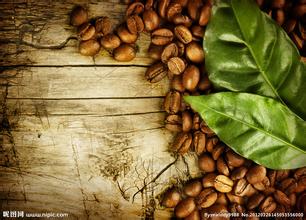
Introduction of Chimere Manor in Lutesilo, West Province, Malaba Coffee region, Rwanda
The first problem for Malaba coffee farmers is to set up a cleaning station. The coffee fruit must be transported to the cleaning station to wash the sugar under the skin of the coffee bean within 12 hours after picking, otherwise the flavor of the coffee will be greatly damaged. In July 2001, with UNR, the Ministry of Culture and Industry of Rwanda (Office des Cultures Industrielles du Rwanda,OCIR-Caf), ACD
2016-06-24 Rwanda Malaba Rabbah Coffee producing areas Western Province Texi Manor Mayr
Lutesilo producing area of the western province of Malaba coffee in Rwanda
The first problem for Malaba coffee farmers is to set up a cleaning station. The coffee fruit must be transported to the cleaning station to wash the sugar under the skin of the coffee bean within 12 hours after picking, otherwise the flavor of the coffee will be greatly damaged. In July 2001, with UNR, the Ministry of Culture and Industry of Rwanda (Office des Cultures Industrielles du Rwanda,OCIR-Caf), ACD
2016-07-04 Rwanda Malaba Rabbah Coffee High altitude altitude producing area Western Province Texi
Introduction to the flavor and taste characteristics of Malaba coffee in southern Rwanda
Rwandans have been growing coffee since colonial times, but until 1999, its products were still classified as below Class C and were not popular in the global market. The reason for the poor quality is that farmers do not have a fixed procedure for washing coffee beans and do not process coffee fruits according to specifications in time. Buyers buy coffee beans at $0.33 per kilogram, and farmers keep warm by the meagre profits earned at low prices.
2016-07-01 Rwanda South Malaba Raba Coffee Flavor Taste characteristics introduction essence
Rwanda coffee varieties varieties Malaba coffee Western Province Lutesilo producing area
The first problem that Malaba coffee farmers solved was to set up a washing station. Coffee cherries must be transported to a washing station within twelve hours of picking to remove the sugar coating under the outer skin of the coffee beans, otherwise the flavor of the coffee will be greatly damaged. In July 2001, the Rwandan government, through UNR, the Office des Cultures Industrielles du Rwanda (OCIR-Caf), ACD,
2016-06-29 rwanda coffee species varieties malaba laba western province texi producing area
An introduction to the characteristics of the manor producing area with a rich taste of Rwanda boutique coffee
Rwandans have been growing coffee since colonial times, but until 1999, its products were still classified as below Class C and were not popular in the global market. The reason for the poor quality is that farmers do not have a fixed procedure for washing coffee beans and do not process coffee fruits according to specifications in time. Buyers buy coffee beans at $0.33 per kilogram, and farmers keep warm by the meagre profits earned at low prices.
2016-09-07 Taste embellishment rich Rwanda boutique coffee flavor taste manor producing area
Rwanda coffee beans flavor taste estate production area introduction Malaba coffee boutique coffee beans introduction
The first problem that Malaba coffee farmers solved was to set up a washing station. Coffee cherries must be transported to a washing station within twelve hours of picking to remove the sugar coating under the outer skin of the coffee beans, otherwise the flavor of the coffee will be greatly damaged. In July 2001, the Rwandan government, through UNR, the Office des Cultures Industrielles du Rwanda (OCIR-Caf), ACD,
2016-07-21 rwanda coffee beans flavor taste estate appellation presentation maraba laba
Rwandan coffee production process Rwandan coffee history
The first problem for Malaba coffee farmers is to set up a cleaning station. The coffee fruit must be transported to the cleaning station to wash the sugar under the skin of the coffee bean within 12 hours after picking, otherwise the flavor of the coffee will be greatly damaged. In July 2001, with UNR, the Ministry of Culture and Industry of Rwanda (Office des Cultures Industrielles du Rwanda,OCIR-Caf), ACD
2016-05-27 Rwanda coffee production process history Malaba Rabbah farmers first and foremost
Fruit-scented Rwandan coffee beans taste the characteristics of the manor producing area introduction to Rwanda boutique coffee beans
Rwanda has been growing coffee since colonial times. Although the crops are mainly coffee, the quality of coffee produced in Rwanda is not outstanding, and its status in the coffee world is low, and few people pay attention to it. Most of the coffee varieties grown in Rwanda are bourbon. Rwanda, known as the country of Thousand Hills, has a high-altitude mountain environment, fertile volcanic soil and abundant precipitation.
2016-08-08 Fragrance Rwanda coffee beans flavor taste manor producing area characteristics introduction essence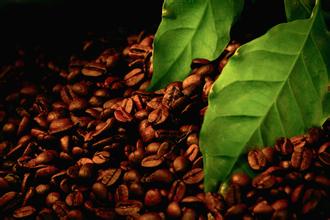
History of coffee in Rwanda
In 1999, 220 coffee growers formed guilds in the Malaba area (formerly part of Butare province) to address the disease. Among the guild members, many farmers were separated from their loved ones by the 1994 mass massacre, while some husbands were jailed or were taken to the traditional Gacaca Court (gacaca) to face trial on charges of participating in the massacre. They named the guild Abauza.
2016-06-01 Rwanda Coffee History 1999 220 households growers Solutions
Boutique coffee Rwanda coffee origin Rwanda coffee practice
Rwandans have been growing coffee since colonial times, but until 1999, its products were still classified as below Class C and were not popular in the global market. The reason for the poor quality is that farmers do not have a fixed procedure for washing coffee beans and do not process coffee fruits according to specifications in time. Buyers buy coffee beans at $0.33 per kilogram, and farmers keep warm by the meagre profits earned at low prices.
2016-05-15 Boutique Coffee Rwanda Origin practice Renzi colonization Times
The Historical Origin of Rwandan Coffee
Historical editors originate that Rwandans have been growing coffee since colonial times, but until 1999, its products were still classified as below Class C and were not popular in the global market. The reason for the poor quality is that farmers do not have a fixed procedure for washing coffee beans and do not process coffee fruits according to specifications in time. Buyers buy coffee beans at $0.33 per kilogram, which farmers earn at low prices.
2016-06-01 Rwanda Coffee History Origin Editor Human self colonization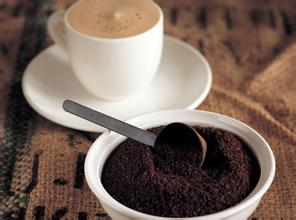
Fine coffee Rwanda Coffee characteristics introduction to Rwanda Coffee
Rwandans have been growing coffee since colonial times, but until 1999, its products were still classified as below Class C and were not popular in the global market. The reason for the poor quality is that farmers do not have a fixed procedure for washing coffee beans and do not process coffee fruits according to specifications in time. Buyers buy coffee beans at $0.33 per kilogram, and farmers keep warm by the meagre profits earned at low prices.
2016-05-15 Boutique coffee Rwanda characteristics introduction Renzi colonization times from
Fine coffee Rwanda coffee manor Rwanda coffee producing area
Rwandans have been growing coffee since colonial times, but until 1999, its products were still classified as below Class C and were not popular in the global market. The reason for the poor quality is that farmers do not have a fixed procedure for washing coffee beans and do not process coffee fruits according to specifications in time. Buyers buy coffee beans at $0.33 per kilogram, and farmers keep warm by the meagre profits earned at low prices.
2016-05-15 Boutique Coffee Rwanda Manor producing area Renzi colonization Times since
Characteristics of coffee beans in Rwanda planting methods of coffee beans in Rwanda
Rwandans have been growing coffee since colonial times, but until 1999, its products were still classified as below Class C and were not popular in the global market. The reason for the poor quality is that farmers do not have a fixed procedure for washing coffee beans and do not process coffee fruits according to specifications in time. Buyers buy coffee beans at $0.33 per kilogram, and farmers keep warm by the meagre profits earned at low prices.
2016-05-08 Rwanda coffee beans characteristics cultivation methods people colonization times
Introduction to the characteristics of Malaba Coffee Flavor Manor in Rwanda
The watershed between the Congo basin and the Nile basin runs through Rwanda from north to south, with about 80 per cent of the country draining from the Nile and about 20 per cent from the Ruzi River and Lake Tanganyika. The longest river in the country is the Niabalongo River (Nyabarongo River) in the southwest, which turns north, east and southeast and flows into the Luwuwu River to form the Kagaila River.
2016-08-17 Rwanda Malaba Rabbah Coffee Flavor Taste Manor producing area characteristics essence
Introduction to the flavor and taste of Rwandan coffee beans the characteristics of Rwandan coffee beans
In 2000, the Mayor of Malaba requested development assistance from the National University of Rwanda (UNR), which is located near the city of Butare, and the following year, the National University of Rwanda assisted in the establishment of the Joint strengthening Rwanda Agricultural Partnership (PEARL). PEARL is also supported by several organizations: the United States Agency for International Development (USAID), Michigan State University, Texas A & M University, and
2016-07-21 Rwanda coffee beans flavor taste introduction boutique coffee features 2000
Fine coffee with soft, fragrant and full-grained flavor in Rwanda Coffee Manor.
Coexist. The primary school has an 8-year system and the middle school has a 6-year system. Education accounts for about 20% of the state budget every year. The illiteracy rate is 49%. In 1991, there were 11789 public primary schools, 900000 primary school students, 16,394 primary school teachers, 77 public middle schools, 16 private middle schools, 20,789 middle school students and 1,469 middle school teachers. There are 323 comprehensive rural handicraft centers with 32,660 students.
2016-08-15 Soft fragrant granular full Rwanda coffee manor producing area flavor taste
Rwandan Coffee Bean Flavor Introduction Malaba Coffee Bean Rwandan Coffee Bean Characteristics
The first problem that Malaba coffee farmers solved was to set up a washing station. Coffee cherries must be transported to a washing station within twelve hours of picking to remove the sugar coating under the outer skin of the coffee beans, otherwise the flavor of the coffee will be greatly damaged. In July 2001, the Rwandan government, through UNR, the Office des Cultures Industrielles du Rwanda (OCIR-Caf), ACD,
2016-07-22 Rwanda coffee beans flavor taste presentation maraba laba characteristics
Introduction to the treatment methods of fine Rwandan coffee beans
Rwandans have been growing coffee since colonial times, but until 1999, its products were still classified as below Class C and were not popular in the global market. The reason for the poor quality is that farmers do not have a fixed procedure for washing coffee beans and do not process coffee fruits according to specifications in time. Buyers buy coffee beans at $0.33 per kilogram, and farmers keep warm by the meagre profits earned at low prices.
2016-06-23 Boutique Rwanda coffee beans handling methods introduction people from
History of coffee in Rwanda
The Rwandans of origin have been growing coffee since colonial times, but until 1999, its products were still classified as below Class C and were not popular in the global market. The reason for the poor quality is that farmers do not have a fixed procedure for washing coffee beans and do not process coffee fruits according to specifications in time. Buyers buy coffee beans at $0.33 per kilogram, and farmers rely on the meagre profits earned at low prices.
2016-05-31 Rwanda Coffee History Origin Human colonization Times from Open